

How I Learned to Cook — and to Live!
Lessons from the kitchens that shaped a life.

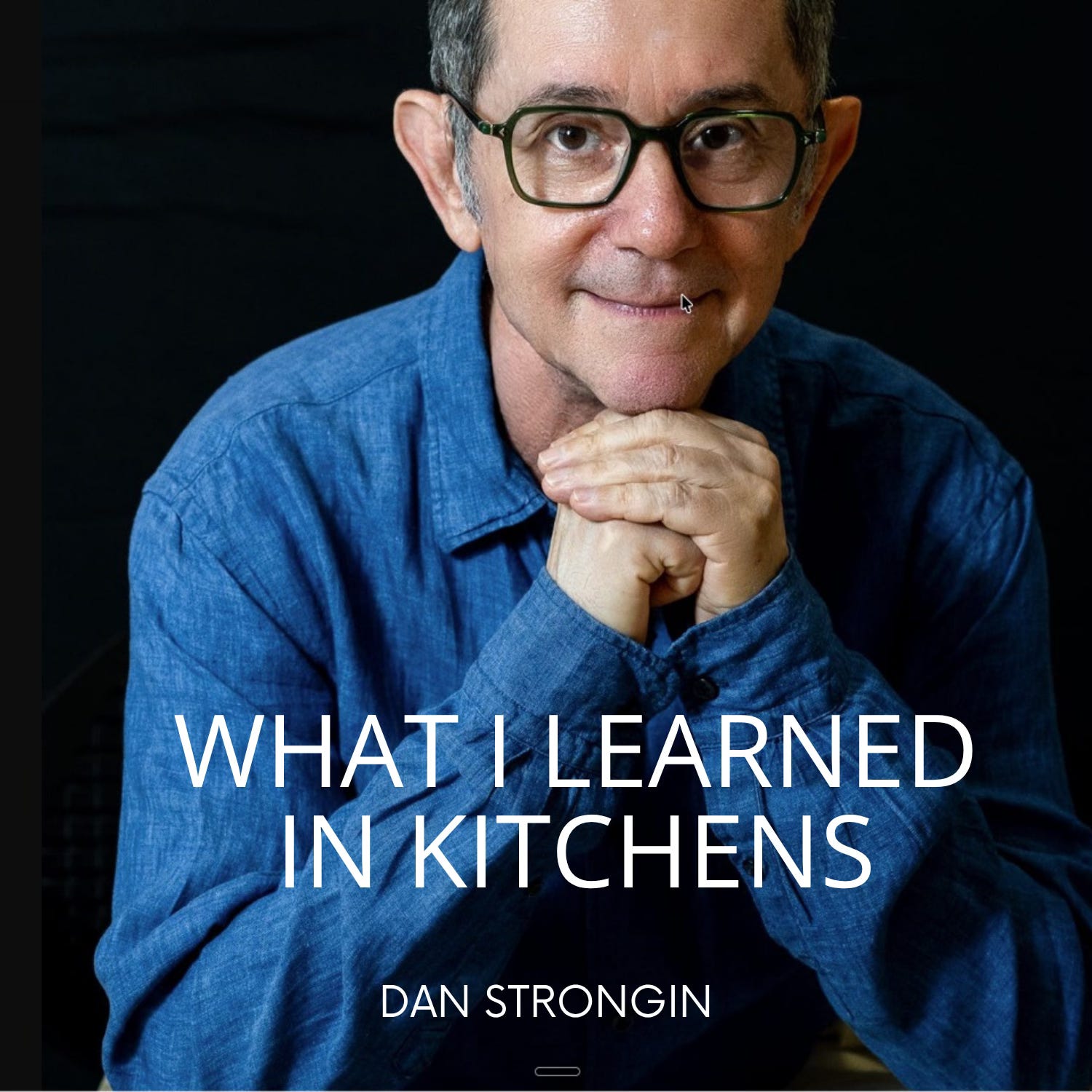
This began as an “About” page. But everything I’m about began here — in the kitchens where I learned how to work, and, without realizing it, how to live.
What follows isn’t a résumé, but the start of a story — about craft, judgment, great food, great techniques, and the rewards that come from doing things well.
It’s always a good idea to start at the beginning. However, sometimes it’s very difficult to place exactly where it began. We’re the product of our families. We’re the product of the place in which we live. But we’re also a product of the times in which we lived.
I came of age in the 1960s, a time when many people were asking if there wasn’t something more to life than just chasing a living. That question has colored everything I’ve done since.
When I left home, I found my way into kitchens. Though I began earlier, I really cut my teeth at the Ritz-Carlton in Boston. When I started, I was the youngest cook. Six years later, I was one of the oldest.
I arrived in kitchens too late for an official apprenticeship — the era of the classical apprenticeship had passed — and too soon to join the culinary-school generation. The Culinary Institute of America was founded in 1951, the year I was born, but in the 1970s few of us had ever heard of it.
I started where many cooks did: washing dishes. When I showed I knew a bit about cooking, I was promoted. I was, in a way, a bridge between generations.
Those older cooks were geniuses with their hands, though they’d never call themselves that. They couldn’t always tell you why they did what they did — it had been taught to them. I had to watch, listen, and learn by doing. The lessons weren’t written down. They were passed shoulder to shoulder, from one pair of hands to another, working side by side.
One of them, Oswaldo Rosato, took me under his wing. He had apprenticed at nine years old with the chef who had made the stocks at the original Ritz when Auguste Escoffier himself was executive chef. He thought I looked like Charlie Chaplin, and that may have helped.
He would talk to himself while creating one perfectly delicious and visually stunning dish after another, saying, “Poor master, he works so hard,” and each time he finished a platter he’d exclaim, “Voila.” From him I learned more than cooking — I learned how to put magic into your life through what you do and how you do it.
They valued tradition. What they knew had been handed down, tested by generations. It wasn’t theory — it was tactile and rhythmic, like memories made visible. Their work was guided by direct experience, and learning it from them shaped not just how I cooked, but how I came to see the world.
They were ordinary people, doing extraordinary things because of their training. It was a wonderful way for me to come of age, and it set the course for everything that followed.
From them I learned that what’s valuable in a kitchen is valuable in life: attention, preparation, rhythm, and respect for what came before.
These lessons weren’t philosophical — they were practical. And that’s what I will try to share here: seemingly ordinary moments that reveal something deeper about how to cook well, and how to live well.
Everyone gets one free peek behind the paywall..
I’ll be charging the lowest amount Substack recommends to make it possible to keep sharing these stories and the lessons behind them. 5 dollars a month, or 50 dollars a year.
My goal is to earn enough to sustain the work, while keeping it open to anyone who loves food, craft, and the quiet art of doing things well.