

Learning to Taste
Your mouth already knows more than you think.

The prosciutto di Parma arrived after more than a decade away.
I was working in the garde manger when the shipment came through. Some trade dispute had kept it out of the United States for years, and now here it was—those familiar paper-wrapped legs, the sweet smell of cured pork and time.
I cut a thin slice. Translucent, delicate. Put it in my mouth.
And in an instant, I was somewhere else entirely.
Not just remembering—there. I could see the room where I’d last tasted prosciutto di Parma a decade earlier. The people around me. The smells. The light. Everything. One bite collapsed ten years into a single moment.
No one ever sat me down and taught me to taste.
At the Ritz, everyone tasted constantly. Oswaldo would dip a spoon into a sauce, close his eyes, adjust. The entremetier would taste his vegetables between every step. The broiler cook tasted his sauces before plating. It was the culture. Rhythmic, almost meditative. They weren’t thinking about it—they were in it, the way Oswaldo had taught me to be in the pan with the spinach.
I took it on myself to do the same. No one told me to. I just saw that great cooks lived inside their food, and if I wanted to cook like them, I had to learn to taste like them.
So I did. For years. Tasting, adjusting. Paying attention.
The breaking point came when I was running a kitchen and my cooks kept asking the same question:
“Chef, does this need more salt?”
“Chef, taste this—what does it need?”
Over and over. And I’d taste, and I’d tell them, and they’d adjust. But they weren’t learning. They were depending on me.
I thought: If I ever want peace of mind, if I ever want to build a team that can think for themselves, I need them to know for themselves.
So I started asking: How did I learn to do this? Not the watching part—the actual skill of knowing what’s missing, what a dish needs.
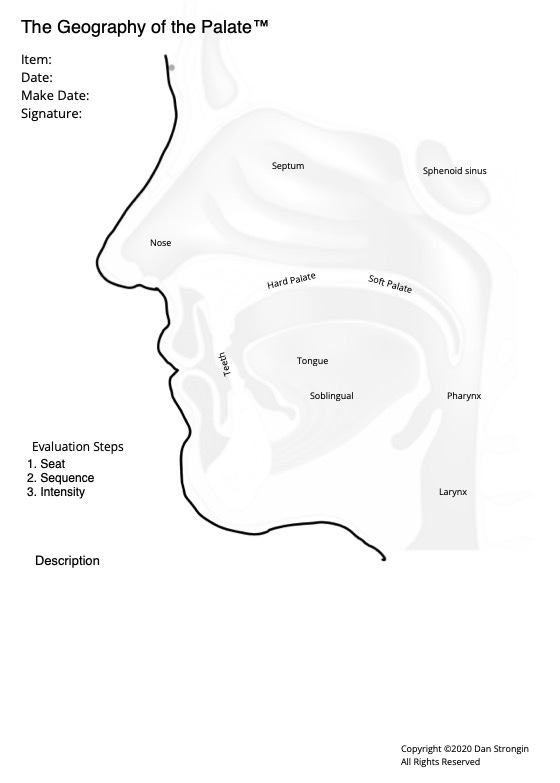
I realized I’d mapped it without knowing I was doing it. Sweetness at the front of the tongue. Bitterness at the back. Sourness on the sides. Salt everywhere. And these sensations move—forward, backward, up, down—like a melody.
I started teaching my cooks this way. We’d taste pure flavors—salt, sugar, lemon juice, vinegar, bitter greens—and map where we felt them. Then we’d taste a dish and ask: where are the sensations? What’s missing? What melody do we want?
They stopped asking me what food needed. They started knowing.
Later, I taught this to cheesemakers, store owners, winemakers—anyone who needed to evaluate flavor professionally.
One cheesemaker in California hired me because he had three years of inventory sitting in his aging room and the flavors were all over the place. We tasted one cheese from every lot he’d made. Hundreds of wheels. And as we tasted, we sorted: which cheeses were developing too fast—early flavor means sell now, before they turn soapy and bitter—and which ones were slow developers. Hold those. Age them. Sell them later for a better price.
It’s the same with wine. The ones that age well have very little flavor for a very long time. The ones that taste great young need to move fast.
Years later, I ended up at a winery in Provence. I wasn’t supposed to be there.
The wine buyer for Safeway had been invited to visit—he’d worked his way up from bagger, had a good palate, became the buyer. But he’d never left the United States before. The show in Arles was his first trip abroad, and on the final day, with an 11 o’clock flight that night, he panicked. Didn’t speak any French. Terrified of missing his flight. He just couldn’t do it.
Chantal Plasse, the woman who represented the winery’s wines and Androuet´s cheeses to Andronico’s, had arranged the visit. To avoid losing face with the Mousset family, she invited me instead. I was Andronico’s corporate chef—I bought cheese and prepared foods, not wine. But I went.
They rolled out a young woman as translator, supposedly fluent in English. She wasn’t. I understood just enough French to fake my way through responses that would satisfy the Moussets. We made it work.
What struck me was this: Louis Mousset Sr.—the father, not the grandfather—could have brushed me off. He knew I wasn’t the wine buyer. He knew I wasn’t going to purchase anything. But he spent hours with me anyway. Walked me through the fields. Showed me the vats, the barrels, the whole operation. Full treatment. No shortcuts.
At the end, standing in front of the fermenting tanks, I asked him: “How do you do it? I tasted everything you make—from the table wine all the way up to your father’s reserve Hermitage. Every bottle was excellent at the level it was aiming for. What’s the secret?”
He looked at me. “Tasting.”
Then he told me the story.
When he was nine, his father took him to the winery. They tasted the grapes before and after crushing. The juice going into the vats. The young wine going into the barrels. At one week. At one month. At six months. Every stage.
“Every day from then on,” he said, “I have tasted in the same way.”
By the time I met him, he could taste a grape fresh off the vine and know exactly what the wine would be like years later.
That’s not magic. That’s accumulated knowledge.
Store owners were harder to teach than makers.
The makers wanted to know what their cheese was doing. The store owners wanted language to sell it. So they’d jump straight to interpretation—“hints of lemon and honey,” “notes of dried fruit and earth”—before they’d paid any attention to what was actually happening in their mouths.
The discipline I was teaching runs the other direction. Sensation first. Where do you feel it? How strong? Does it move? Only after you’ve mapped that—only after you’ve gotten as close as you can to what’s actually there—do you reach for a word to describe it.
The sensation is the given. It happens in your mouth whether you name it or not. The interpretation—pineapple, citrus, honey—that’s what you bring. Your memory, your culture, your history with food.
I learned this most clearly in Brazil, years later, teaching at the cheese awards.
We’d taste together before the judging—three or four cheeses, calibrating language. And over and over, where Americans would say citrus, the Brazilians said pineapple. Same sensation. Same sharp acid on the sides of the mouth. Different memory attached to it.
So I started using pineapple in my classes. I’d find a cheese that people described as tasting like pineapple, get them to confirm it—yes, pineapple, definitely—and then I’d have them taste actual pineapple. Every time, they’d have to admit: not the same thing at all.
That’s the gap. The sensation is real. The pineapple is a story your memory tells about it.
Two people can feel identical acid on the sides of their tongue and call it completely different things. But if they both describe where it hits and how it moves, they’re talking about the same cheese.
That’s what makes tasting a discipline instead of just an opinion.
I kept teaching this system because I kept seeing the same thing happen.
People would taste something—a cheese, a sauce, a piece of fruit—and they’d look nervous. Like they were supposed to know the right answer. Like there was a right answer.
And I’d say: Just tell me where you feel it. Front of your tongue? Back? Sides? Strong or soft? Does it move?
And they’d start describing it. And someone else would say, “Yes, I felt that too, on the left side.” And someone else would say, “I got it more in the back.”
And suddenly they’d relax. Because they realized their mouths worked. They could taste. They didn’t need the jargon.
I’ve seen complete novices describe what they’re tasting with the same subtlety as specialists—once they stop worrying about saying the right thing.
Taste is personal. The memories it pulls up. The people you’re with. The light in the room. You can’t control that when you’re cooking for someone.
But you can control the flavors—the balance, the melody, the way sensations move from front to back.
These days, when I’m cooking, I’ll see a lemon.
Not literally—I mean my mind will offer it up, clear as day, and I’ll know the dish needs acid. Sometimes it’s butter. Sometimes salt. Sometimes a handful of parsley. It’s not a decision. The lemon just appears.
That’s what years of doing this does.
Want to learn the system I use to teach tasting? Subscribers get access to Kitchen Notes with the complete “Geography of the Mouth” method, cardinal flavor exercises, and practical notes on evaluating balance and knowing what food needs.
KITCHEN NOTES ( Usually for Paid Subscribers Only, this is a taste of what you get.)
The Geography of the Mouth
Your mouth already knows more than you think.
The sensations you feel when you taste are real. The descriptions are just metaphors—sometimes useful, but not essential. What matters is paying attention to where you feel things, when they happen, and how they move.
If you can describe that, you can evaluate flavor for yourself. No jargon required.
Locations and Directions
Your mouth has locations:
• Front (tip of tongue)
• Back (back of tongue, throat)
• Sides (left and right edges)
• Top (roof of mouth)
• Bottom (floor of mouth)
• Nose (as you bring food to your mouth)
• Nasal cavity (back of throat, catching aroma as food rises)
And directions: forward, backward, up, down, to the sides.
That’s it. That’s the Geography of the Mouth.
The Cardinal Flavors Exercise
Before you can evaluate complex dishes, you need to know what basic flavors feel like.
What you’ll need:
• Sweet (sugar in water, or honey)
• Salty (salt in water, or flaky sea salt)
• Sour (lemon juice or vinegar, diluted if too strong)
• Bitter (black coffee, or dark chocolate 85%+)
• Umami, optional (soy sauce, aged parmesan, mushroom broth)
The exercise:
Take sweet first. Small amount in your mouth. Don’t swallow right away—hold it, move it around gently.
Where do you feel it? Front? Back? Sides? How strong is it? Does it move? Does it start in one place and travel? How long does it last?
Write it down. Use simple language: “Sweet hits the front of my tongue, soft at first, then spreads to the sides. Fades quickly.”
Rinse your mouth. Wait a minute. Let your palate rest.
Repeat with salt, sour, bitter, umami.
You’ll start to notice patterns:
• Front of tongue: sweet, soft and spreading
• All over, especially the sides: salty
• Sides of tongue: acid (sour), sharp and fast
• Back of tongue: bitter, slow and lingering
• Center and back: umami, deep and savory
Now taste one of them again. Were you right the first time? What did you miss?
You’ll be surprised how accurate you were.
Tasting a Dish
Take a spoonful. Where do you feel it? Front? Sides? Back? What order? Does sweetness come first, then salt, then sourness? What’s the intensity? Does it move?
Think of your mouth as a stage. The flavors are instruments. What’s the melody?
If the dish feels flat, where’s the gap?
• No sensation at the front? Might need sweetness or fat.
• No sensation on the sides? Might need acidity—lemon, vinegar.
• No sensation at the back? Might need bitterness or depth—umami from stock, cheese, soy sauce.
• All over but boring? Might need salt to amplify everything.
Add a small amount of what you think is missing. Taste again. Did it improve?
If yes, keep going. If no, try something else.
That’s how you learn. Not by following a recipe exactly, but by tasting, adjusting, tasting again.
Teaching This to Others
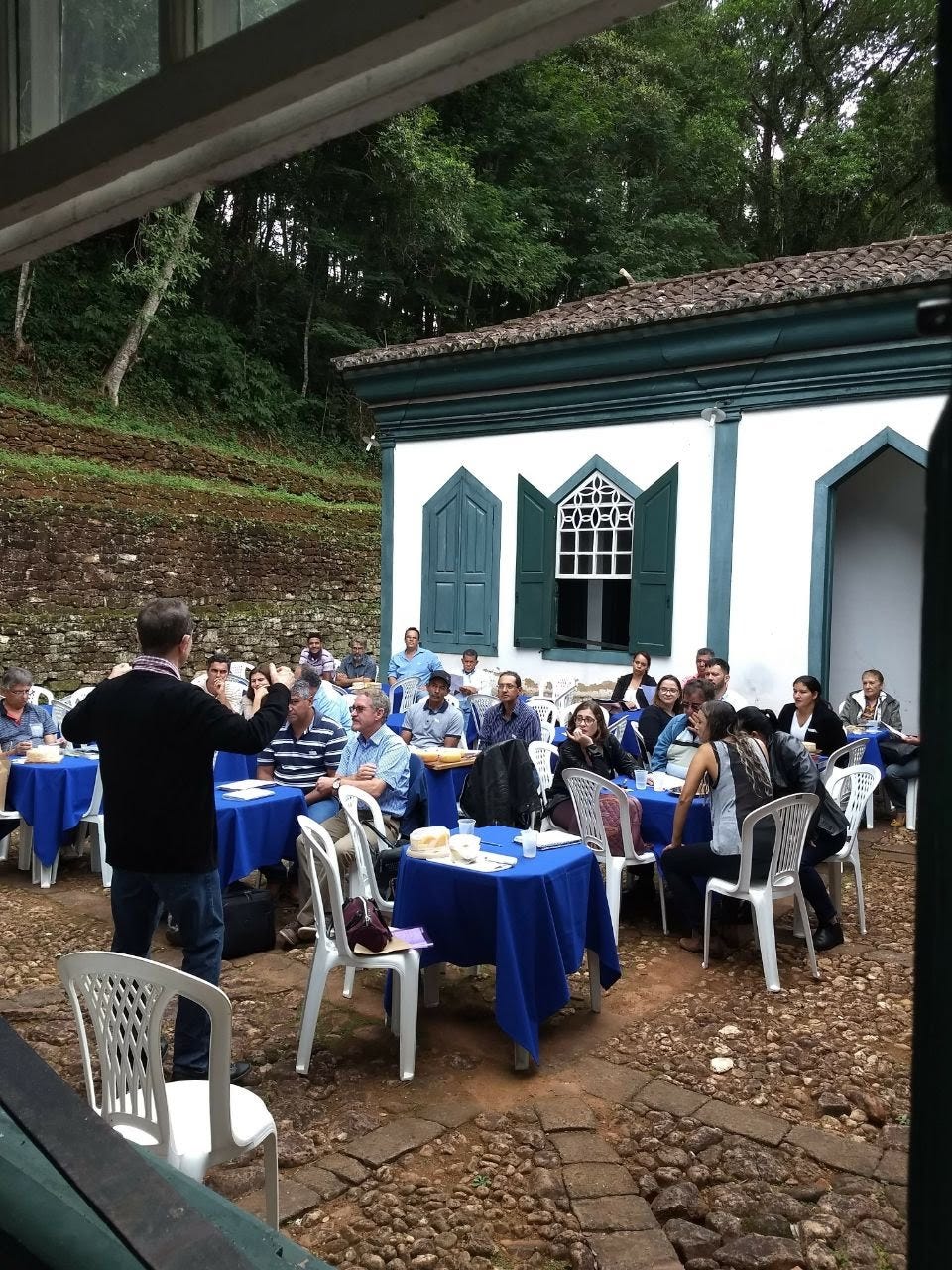
If you’re working with a group—family, cooking students, colleagues—do this together.
Taste a dish. Each person maps their sensations. Where, when, how strong. Compare notes.
You’ll be amazed how similar the experiences are. And where they differ, you’ll learn something about individual perception.
People stop asking, “Is this right?” They start saying, “I think this needs more acid.”
Professional Applications: Knowing When to Sell
If you’re making food to sell—cheese, wine, pickles, sauces—you need to know not just what your product tastes like now, but what it will taste like later.
When I worked with that California cheesemaker, we tasted hundreds of wheels and sorted them:
Sell now — Early flavor development. Bright and tasty, but won’t age well. Hold these too long and they turn soapy, bitter, off.
Hold and age — Slow developers. Very little flavor now, but they’ll build complexity. Age these for a premium price.
Problematic — Off flavors that won’t improve. Sell cheap, use in cooking, or cut your losses.
The principle: cheeses and wines that age well have very little flavor for a long time. The ones that taste great young need to move fast.
Taste regularly. Keep notes. Date, flavor profile, where sensations appeared, intensity. Look for patterns—does acidity develop early or late? Does bitterness creep in? When you make a great batch, go back and study what was different.
Louis Mousset Sr. told me he’d tasted every day since he was nine. By the time I met him, he could taste a grape fresh off the vine and know exactly what the wine would taste like years later. That’s not magic. That’s accumulated knowledge.
Common Pitfalls
Jumping to marketing language before sensation: Describe where you feel it first. Use metaphors second. “Sharp acid on the sides, fast-moving” is more useful than “hints of pineapple”—and more honest.
Tasting without resetting: Your palate fatigues faster than you think. Rinse with water. Wait a minute between samples. The third taste of anything reveals details the first two missed.
Ignoring texture: The creaminess of a cheese changes your perception of salt. The crunch of a vegetable affects how its flavor releases. Texture is part of the experience—pay attention to it.
A Simple Tasting Note Example
Lemon vinaigrette:
1. Nose: sharp, bright
2. Front of tongue: slight sweetness from the oil
3. Sides of tongue: strong sourness, fast-moving, sharp
4. Back of tongue: subtle bitterness from the lemon peel
5. Nasal cavity: fresh herb aroma rising
What’s missing? No sensation all over. Add a pinch of salt. Taste again. Now the sourness is balanced, the sweetness comes through, and there’s a savory backbone.
That’s the melody.
The Goal
You don’t need fancy words to know what food needs.
You just need to pay attention. Where do you feel it? What’s missing? What would balance it?
Do this enough, and you stop thinking. You just know.
SOURCES
Personal teaching experience (DBIC, professional cheesemakers, cooking students) Louis Mousset Sr., winemaker, Provence Edward Appleby, traditional Cheshire cheesemaker David Lockwood, Neal’s Yard Dairy
Et voila! Sublime.